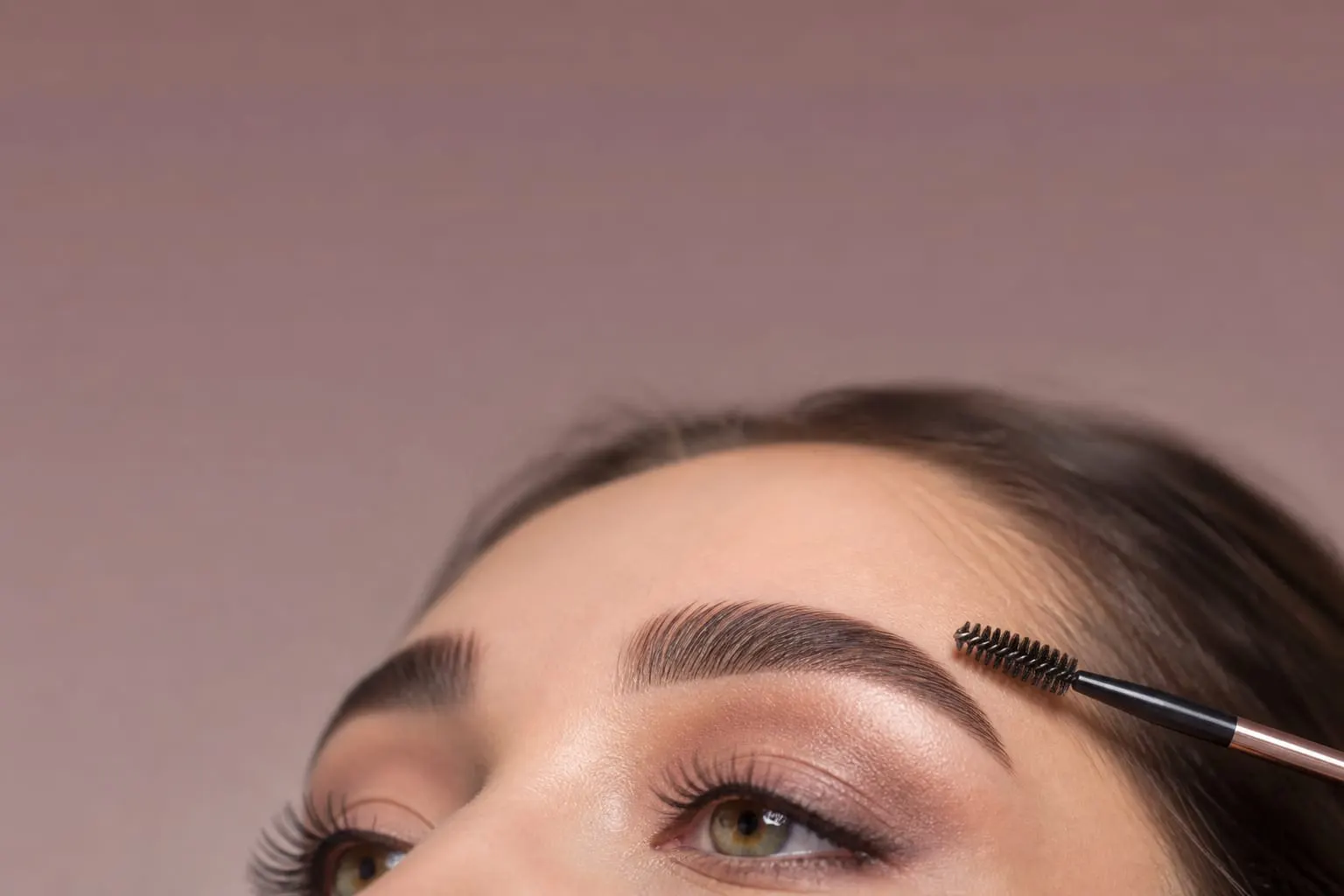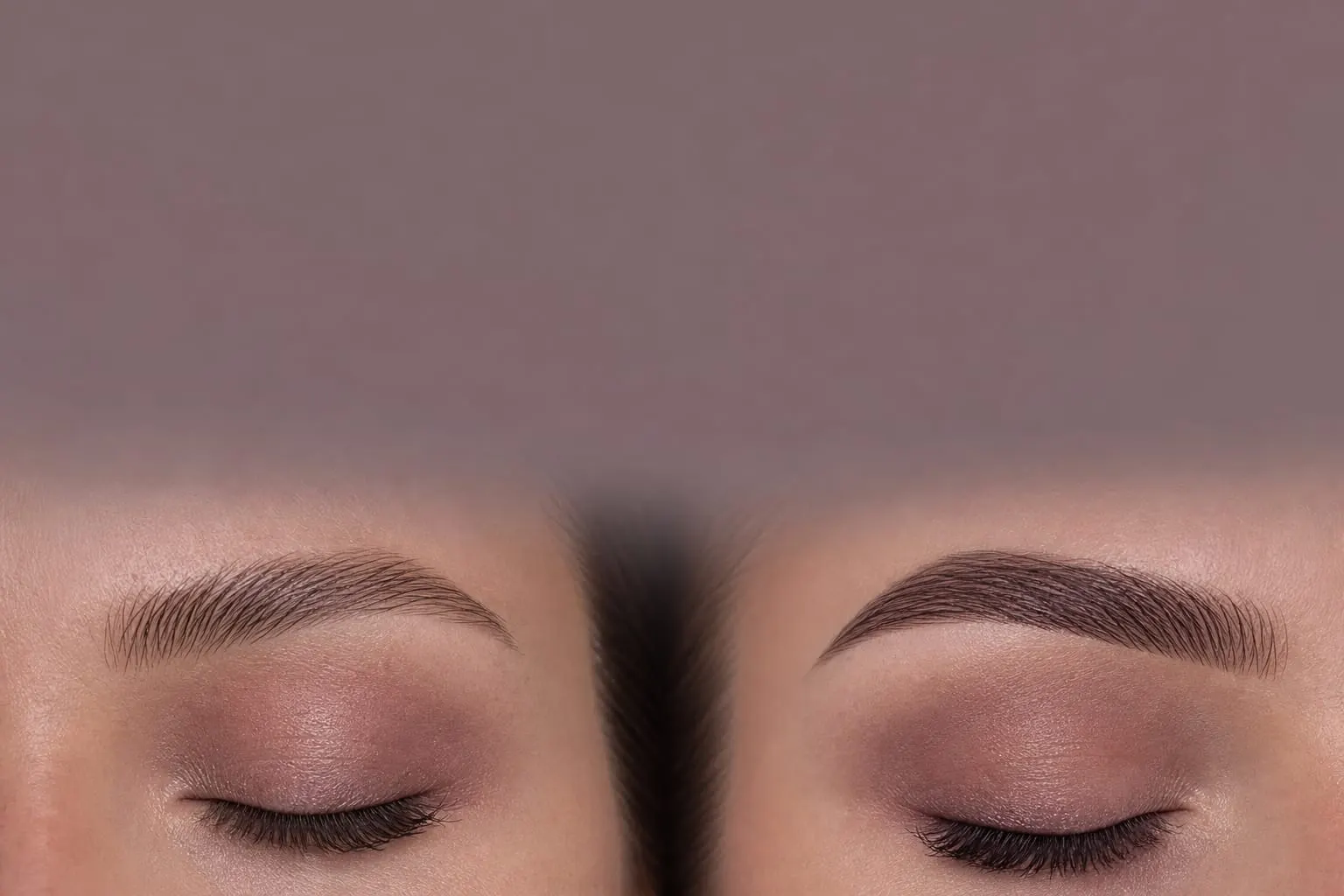
If you are researching semi-permanent brows, you have probably seen two terms pop up again and again: microblading and nanoblading. They both aim for the same goal — soft, natural, hair-like eyebrows — but the way they get there is different. Understanding that difference is the key to choosing the technique that will actually last on your skin.
What is microblading?
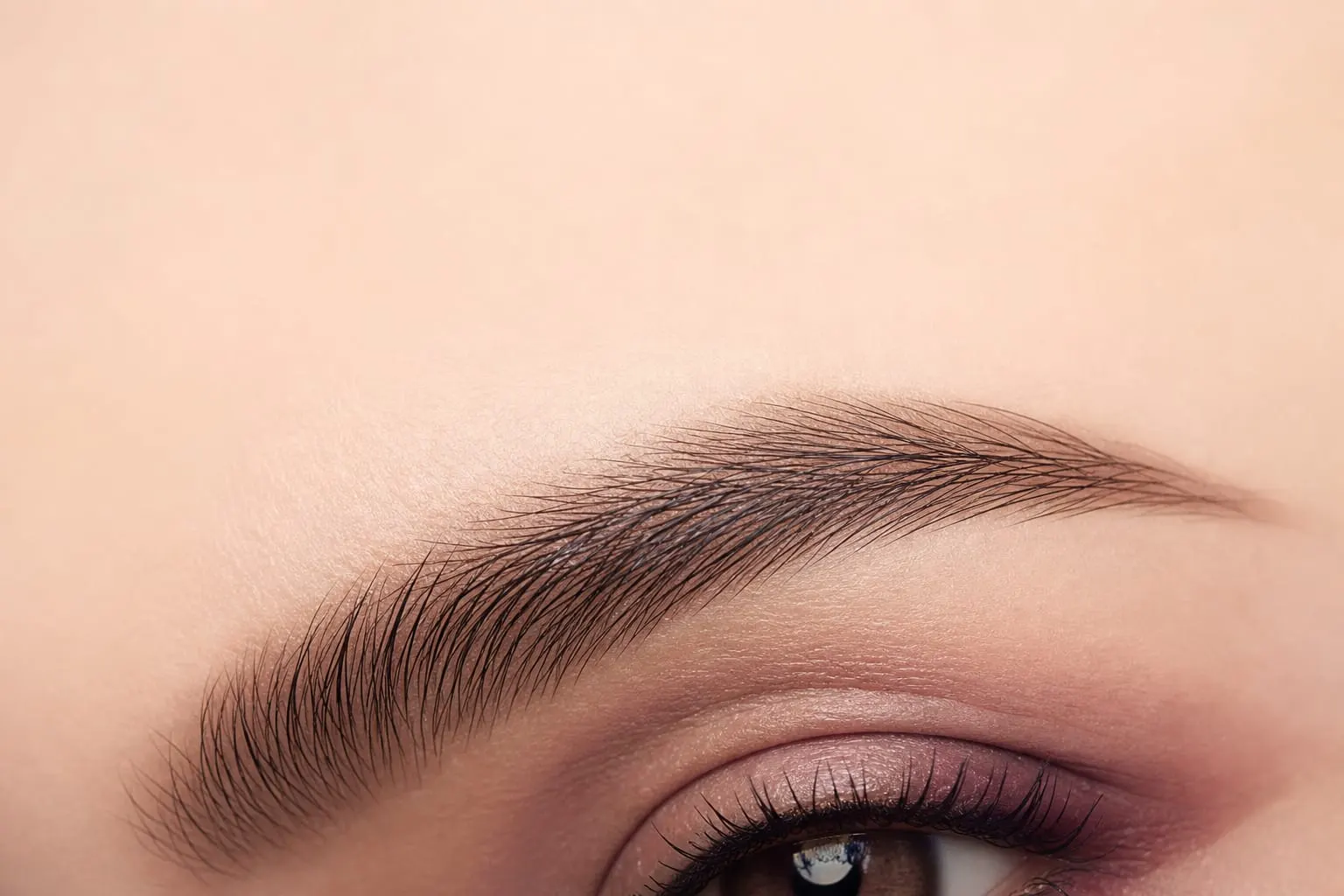
Microblading uses a fine, hand-held blade made up of tiny needles to create crisp incisions in the upper layers of the skin. Pigment is then deposited into those strokes, mimicking individual brow hairs. Because it is a manual technique, the artist has beautiful control over the shape and flow of each stroke, which is why microblading remains the gold standard for crisp, defined hair strokes.
What is nanoblading?
Nanoblading achieves a similar hair-stroke look, but instead of a blade it uses an ultra-fine, single needle powered by a digital machine. The needle is significantly thinner than a microblading blade, so the strokes it creates are finer and shallower. This gentler approach means less trauma to the skin and, for many clients, a more comfortable session.
The key differences at a glance
- Tool: Microblading is manual (a blade); nanoblading is machine-based (a single nano needle).
- Stroke: Microblading strokes are crisp and defined; nanoblading strokes are finer and softer.
- Skin type: Nanoblading tends to perform better on oily or sensitive skin, where microblading strokes can blur over time.
- Healing: Nanoblading is often slightly gentler, with many clients reporting minimal scabbing.
- Longevity: Both typically last 1–3 years and need a periodic touch-up to stay fresh.
Which one should you choose?
There is no universally "better" option — the right choice depends on your skin and the look you want:
- Choose microblading if you have normal-to-dry skin and want maximum crispness and definition.
- Choose nanoblading if you have oily, mature, or sensitive skin, or if you want the softest, most natural finish.
The most important factor is not the technique — it is the artist. Precise mapping, the right pigment, and correct needle depth matter far more than the label on the service.
Our recommendation
At a consultation we assess your skin type, natural brow hair, and lifestyle before recommending a technique. Many clients are surprised to learn that their skin is better suited to one method than the other. That single conversation is what protects your results for years.
Ready to find your perfect brows? Explore our brow treatments or book a consultation at Maral Beauty in Şişli & Nişantaşı, Istanbul and we will map the ideal approach for your face.